

Carb Loading Still Works. Most of What You've Heard About It Doesn't.
Carb loading still works, but not the way your cross-country coach taught it. Five carb loading myths, the physiology behind them, and how to do it right
Is Your Food Less Nutritious Than It Used to Be?
Is food less nutritious than it was 70 years ago? Somewhat, but the cause isn't depleted soil, and the fix isn't supplements. Here's the science.
Does Sugar Makes Kids Hyper? Here's What the Research Says about the Sugar High.
The sugar high myth has zero scientific support. Here's where it came from, why it won't die, and what it means for how athletes fuel.
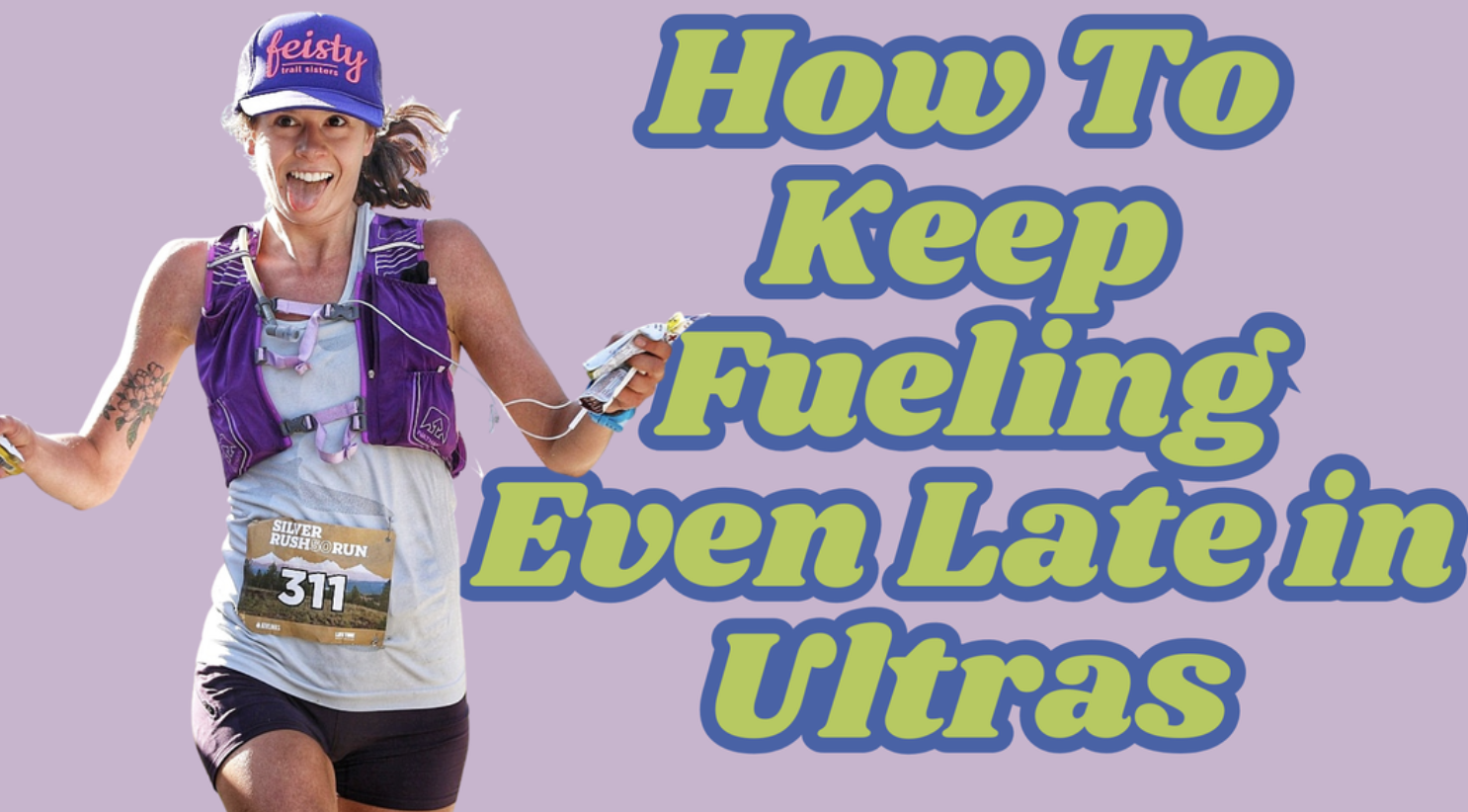
Ultramarathon GI Distress Is Not a Reason to Stop Eating
Ultramarathon GI distress hits 96% of 100-mile finishers. Here's what causes it, how to train your gut, and why stopping fueling is the wrong fix.
Does Running Cause Colon Cancer? A Guide to Not Losing Your Mind on the Internet
Does running cause colon cancer? Viral headlines say yes. Here's what the marathon runners study actually found, what it didn't, and what to do next.
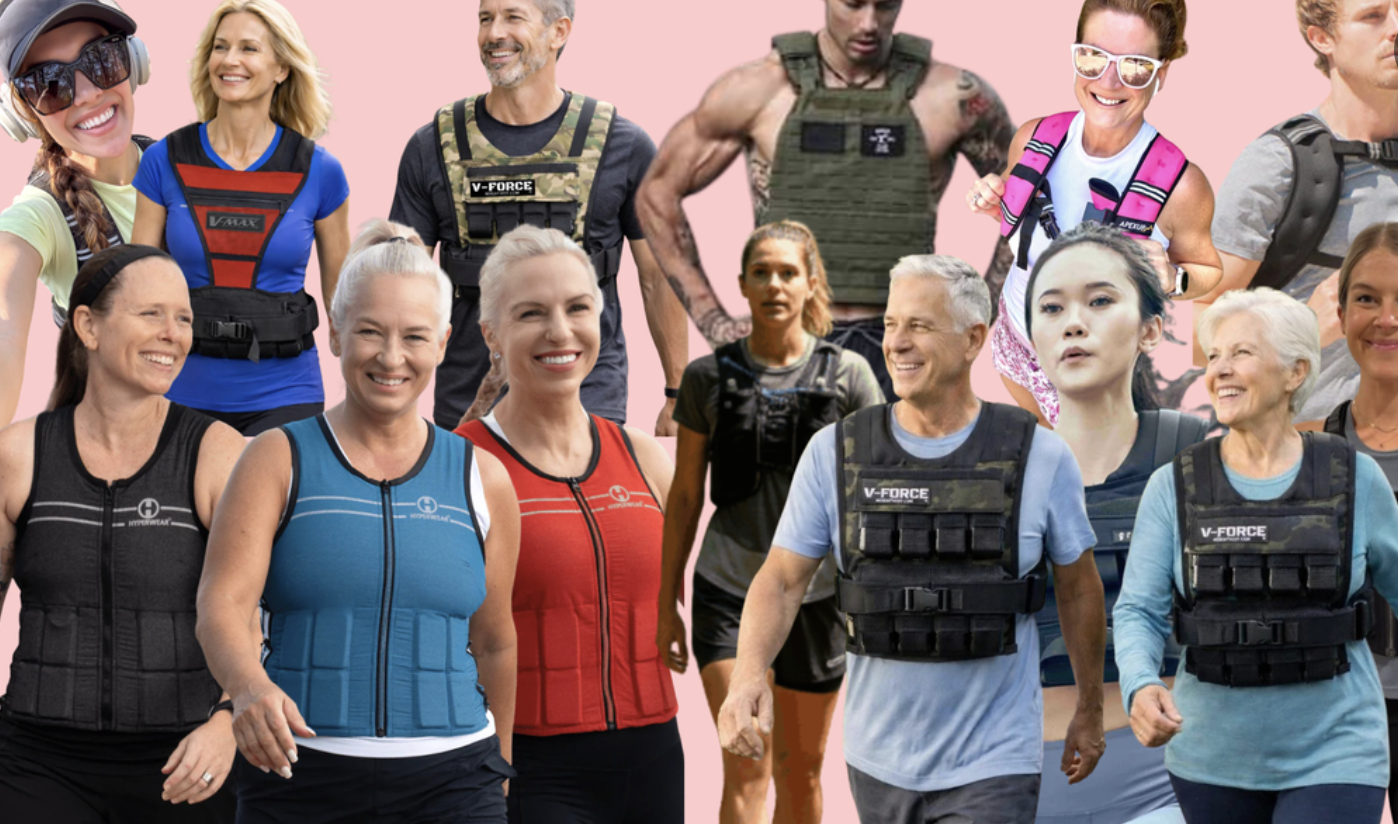
Should You Be Walking With a Weighted Vest?
Weighted vest walking promises stronger bones and a faster metabolism. Here's what the research actually says, and why walking is already enough.
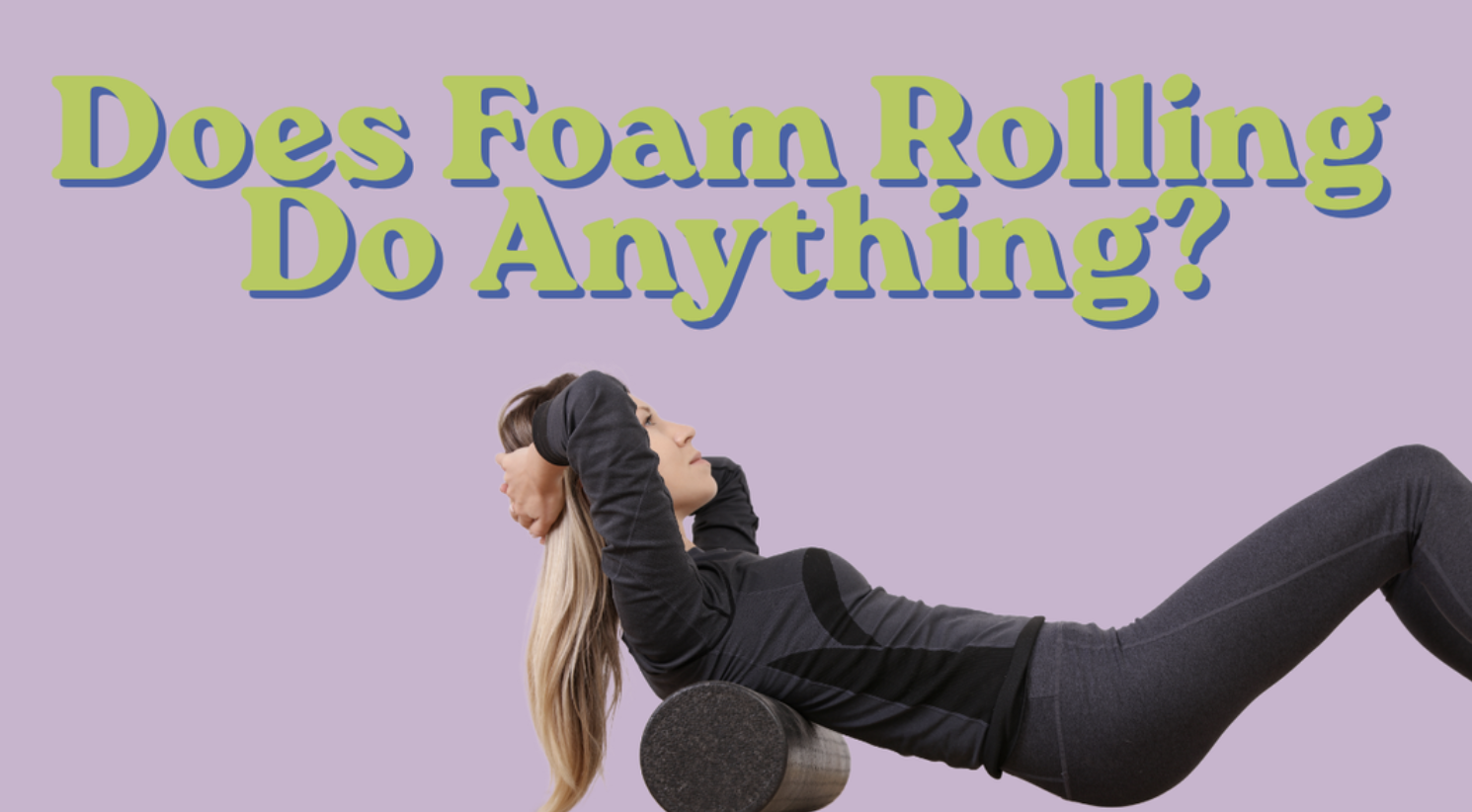
Does Foam Rolling Work? Yes, Just Not the Way You Think
Does foam rolling work? Yes, but not by releasing fascia or breaking up knots. Here's what the research says about rolling, scraping, and placebo.
Can AI Give You Good Nutrition Advice?
AI nutrition advice is a decent encyclopedia and a terrible dietitian. Here's what the research says about chatbots, calorie apps, and diet culture.
Can Your Body Only Absorb 30g of Protein Per Meal?
The 30g protein per meal rule is a lab finding turned supplement serving size. Here's what the research actually says about protein absorption
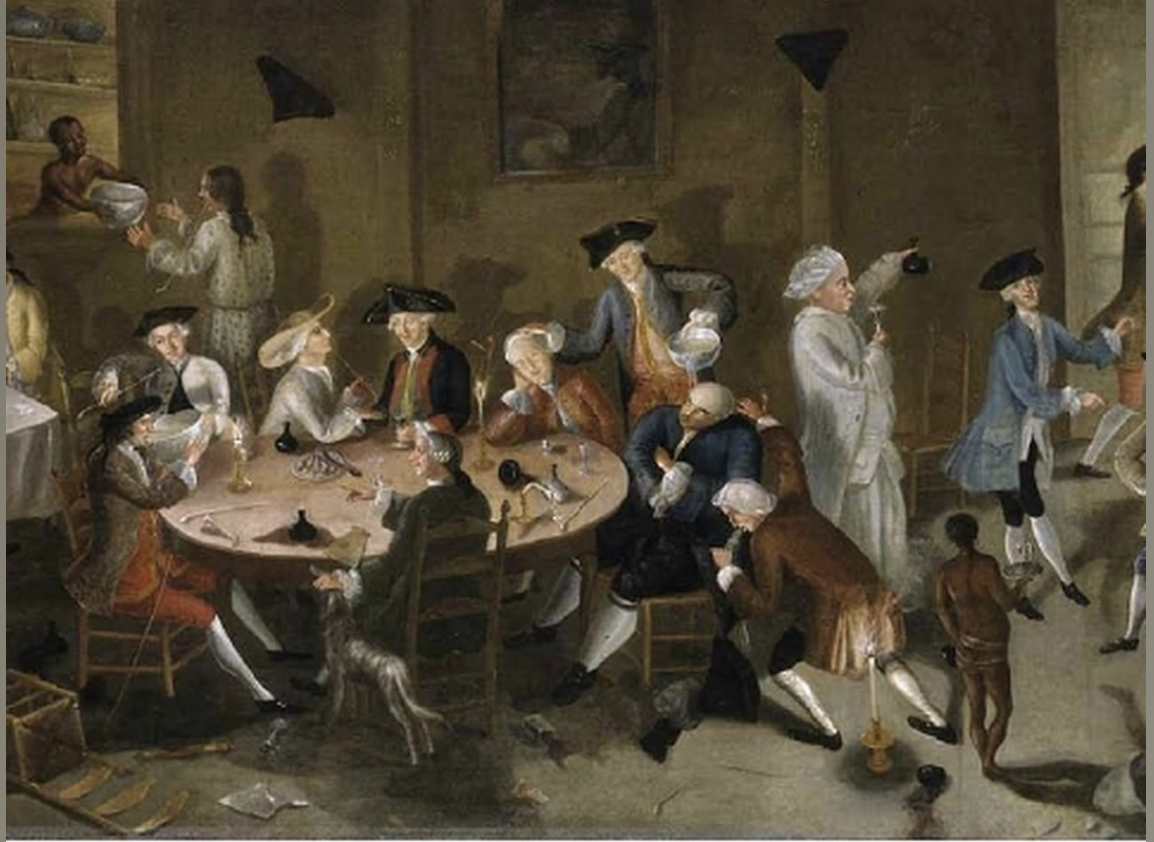
What Did the Founding Fathers Eat? Corn, Vinegar, and a Catastrophic Amount of Booze
What did the Founding Fathers eat? Parmesan ice cream, corn mush, switchel, and a lot of Madeira. A tour of the colonial table, and who actually cooked it.
Food Cravings and Nutrient Deficiencies: What the Science Actually Says
Do food cravings signal nutrient deficiencies? We unpack the science behind food cravings and why the viral claims don't hold up.
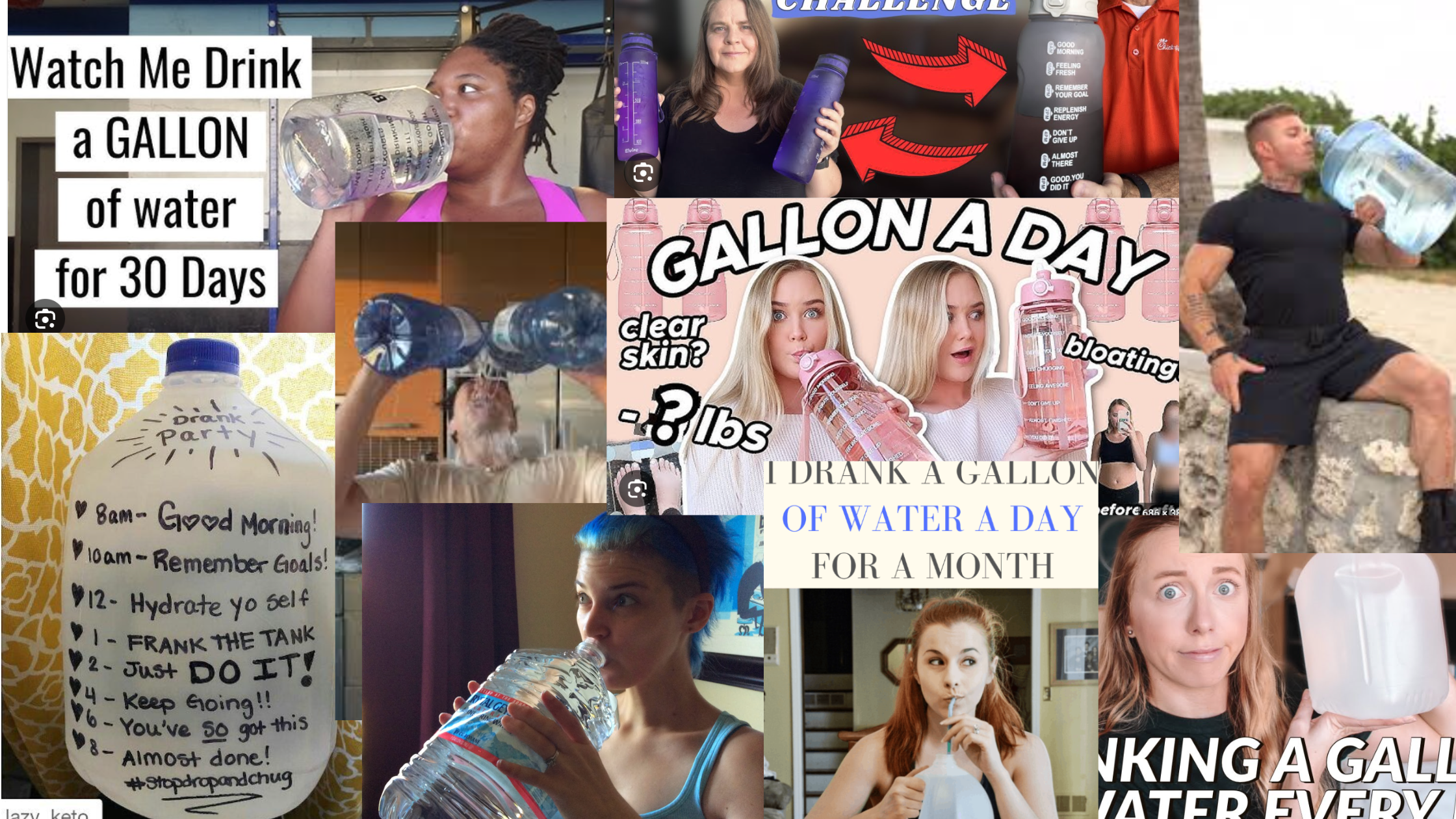
How Much Water Do You Actually Need?
How much water do you actually need? Less than the wellness internet claims, even for athletes. The 8x8 myth, drinking to thirst, and when more backfires.
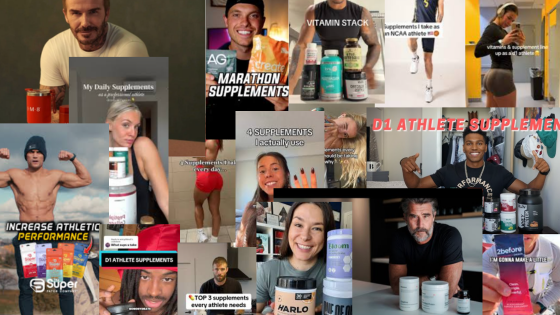
Should You Copy What Pro Athletes Do?
Should you copy pro athletes? Survivorship bias, the halo effect, and hidden incentives explain why elite routines rarely transfer to you. The evidence, unpacked.
Netflix’s “The Plastic Detox” and How to Spot Bad Science in a Wellness Documentary
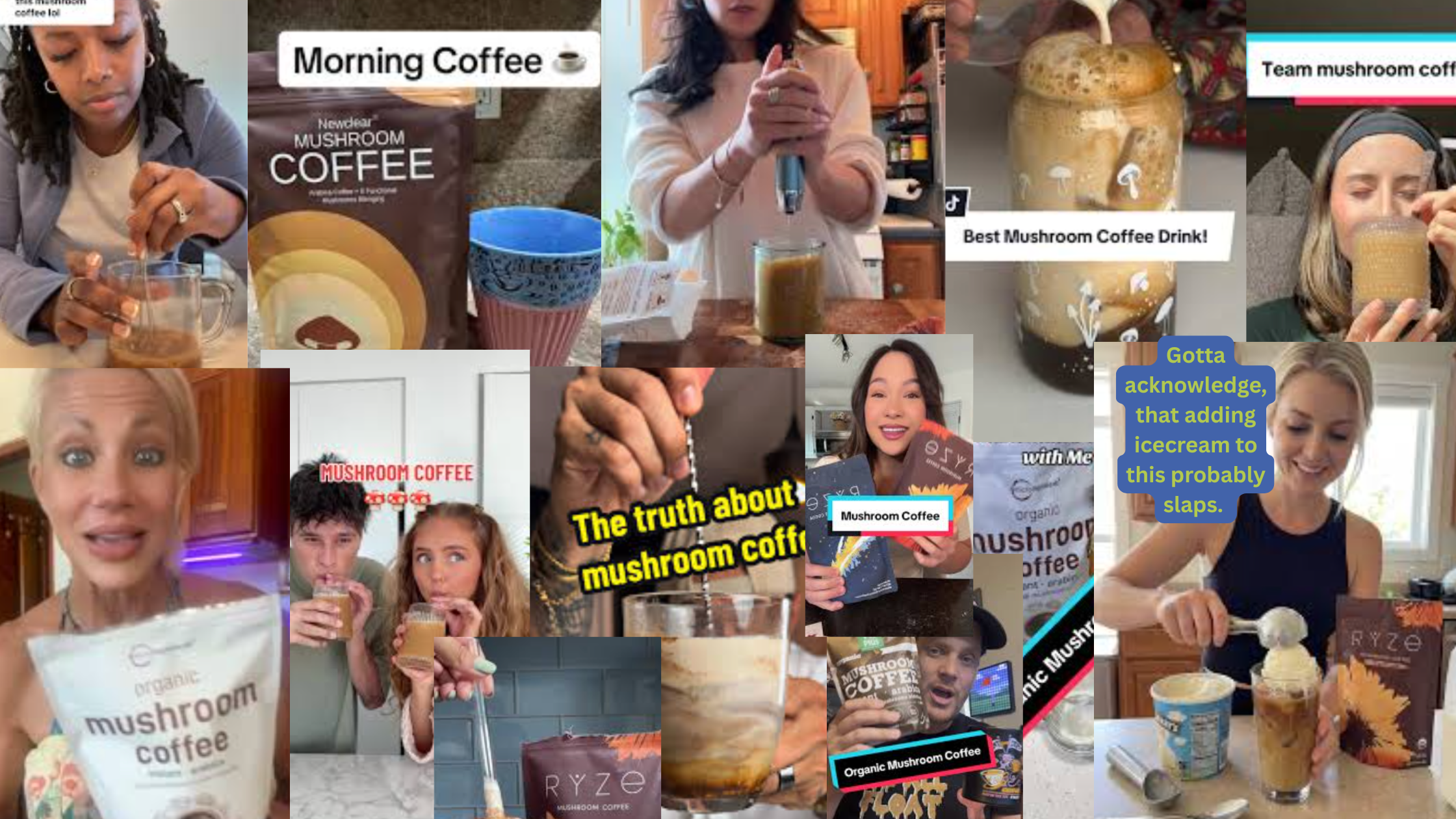
Mushroom Coffee Benefits Are Mostly Marketing. Here's What the Evidence Says.
Does mushroom coffee actually work? We dig into the real evidence on lion's mane, cordyceps, reishi, and chaga, and whether it beats your regular coffee
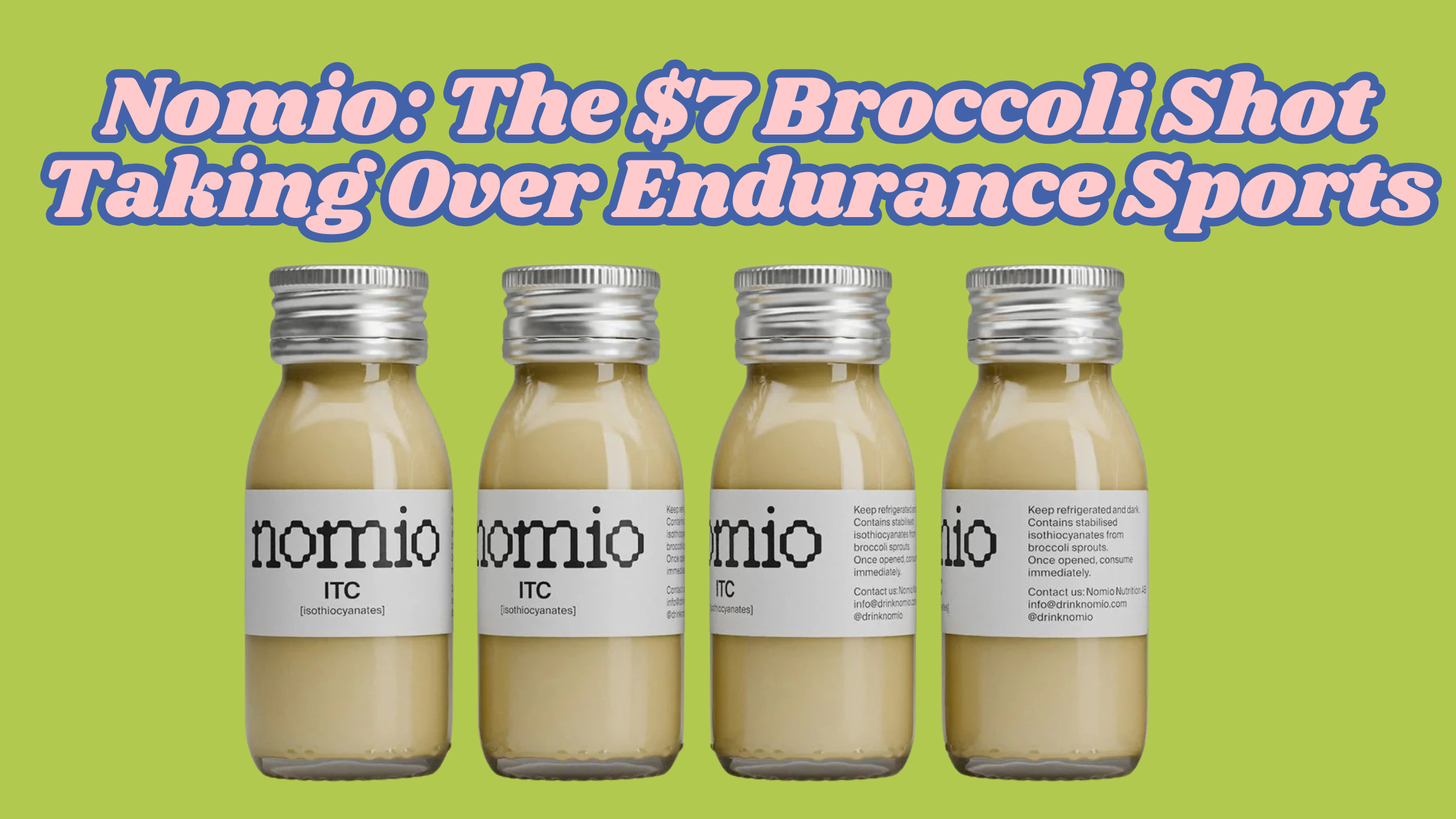
Nomio: The $7 Broccoli Shot Taking Over Endurance Sports
Does Nomio actually work? The broccoli sprout shot is everywhere in endurance sports. Here's what the research shows and where to stay skeptical.
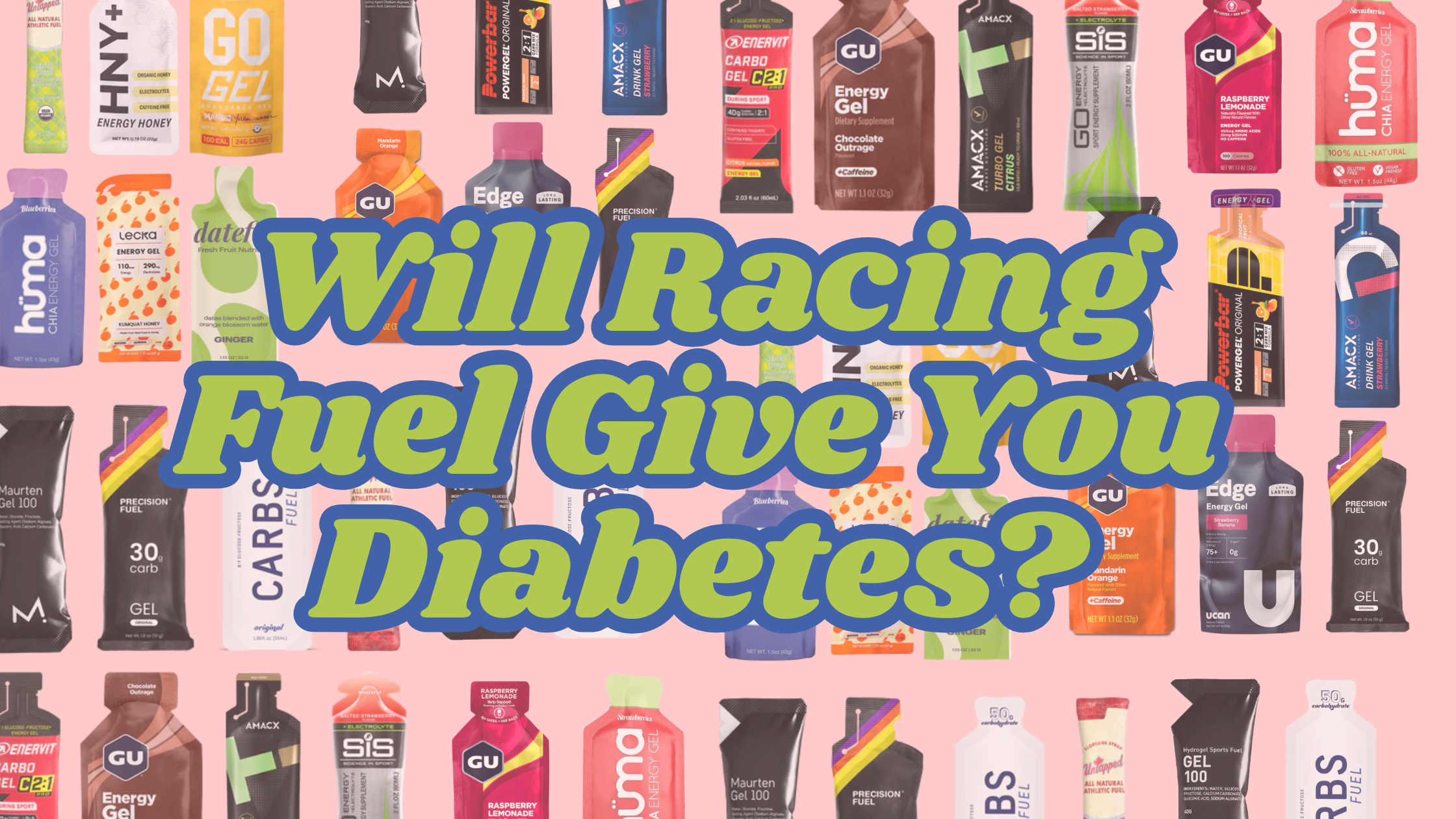
Will Racing Fuel Give You Diabetes? The Internet Says Yes. The Science Says LOL.
Will race fueling give you diabetes? Low-carb influencers say yes. The actual research on endurance athletes and blood sugar tells a different story.
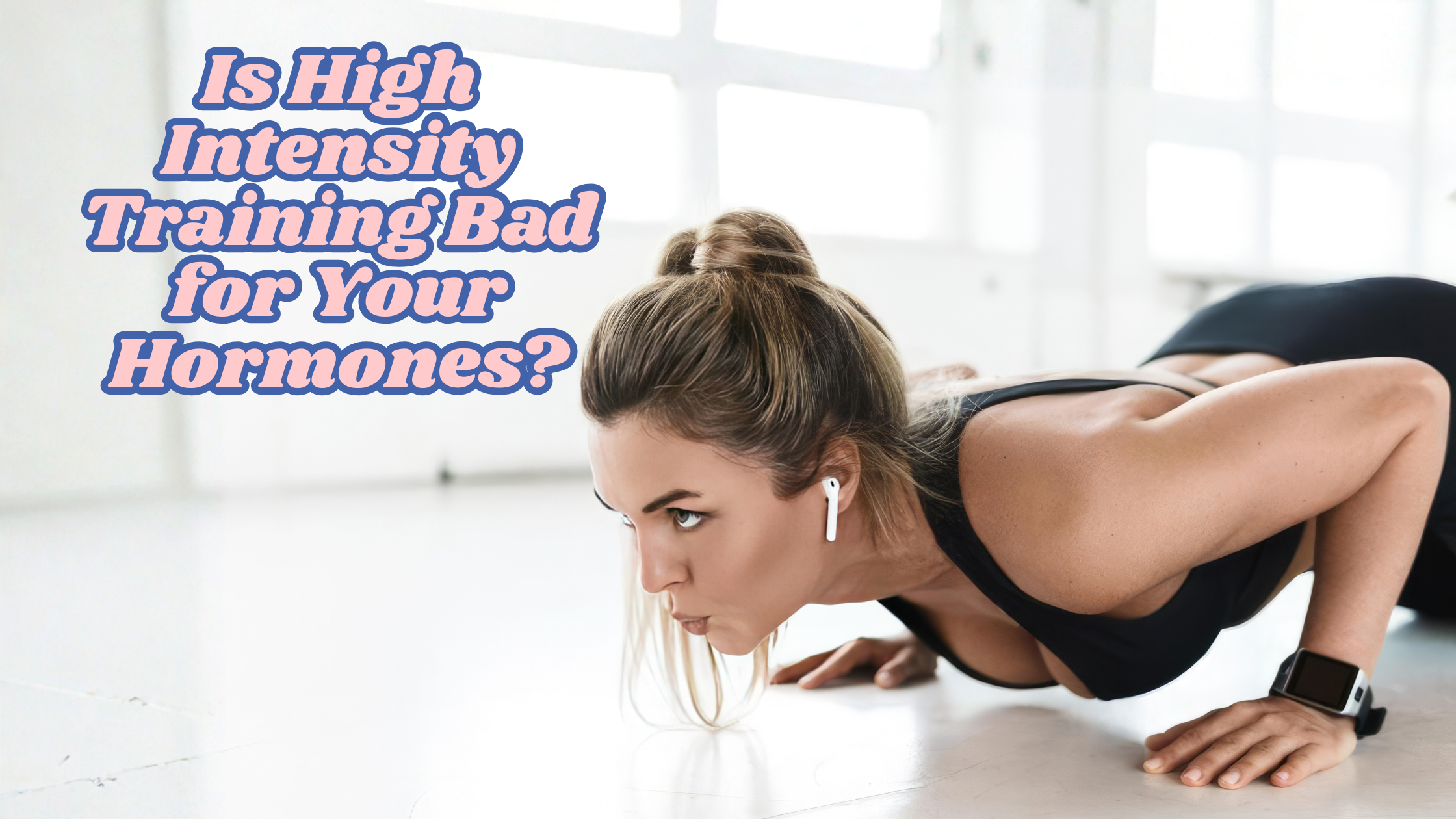
Is High Intensity Training Bad for Your Hormones?
Is HIIT bad for women's hormones? Wellness culture says yes. The research disagrees. Here's what intense exercise actually does to female physiology.
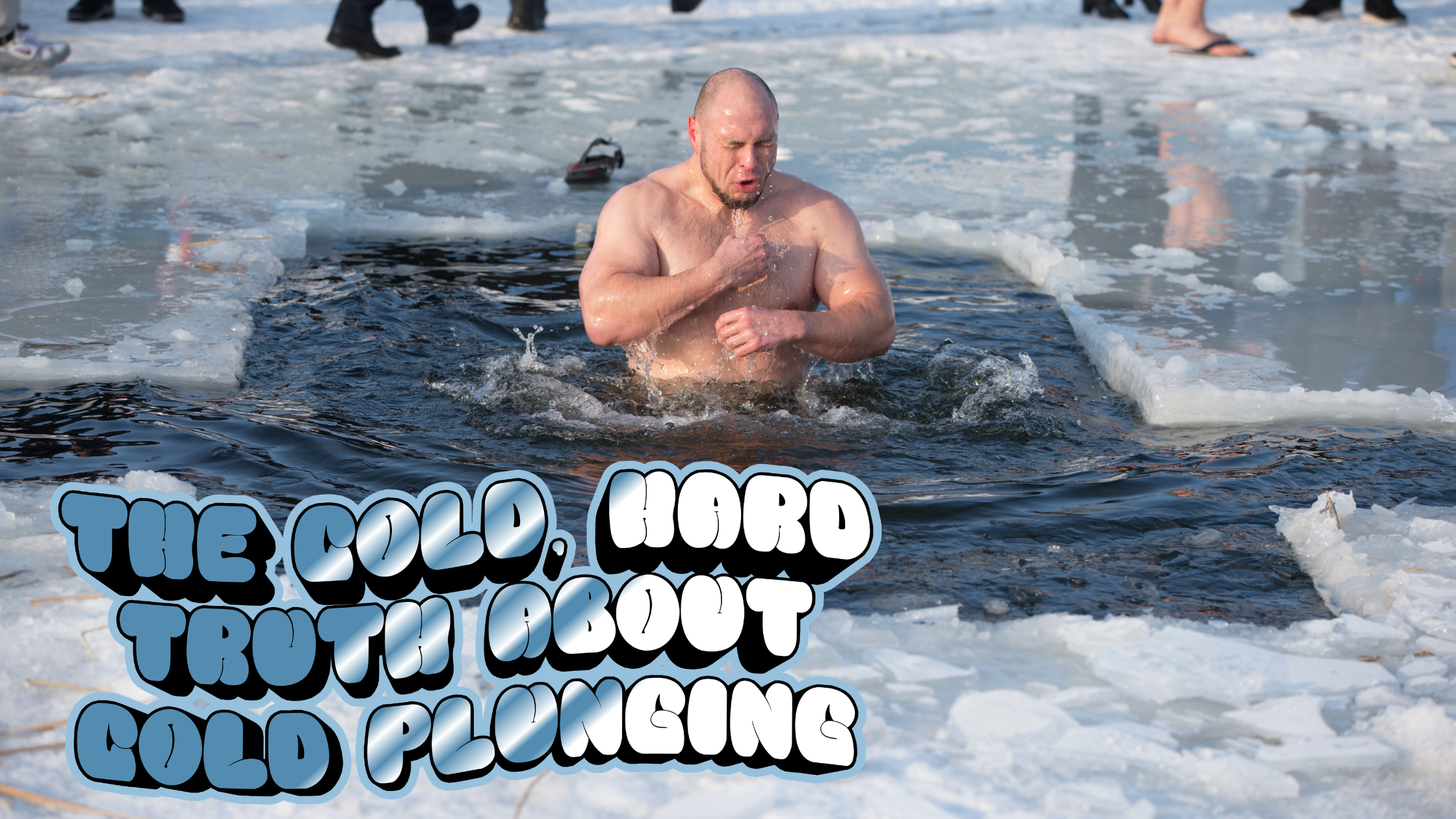
The Cold Hard Truth About Cold Plunging
Cold plunge benefits are wildly oversold. The brown fat fantasy, the dopamine spike, the recovery claim. Here's what the research actually shows.
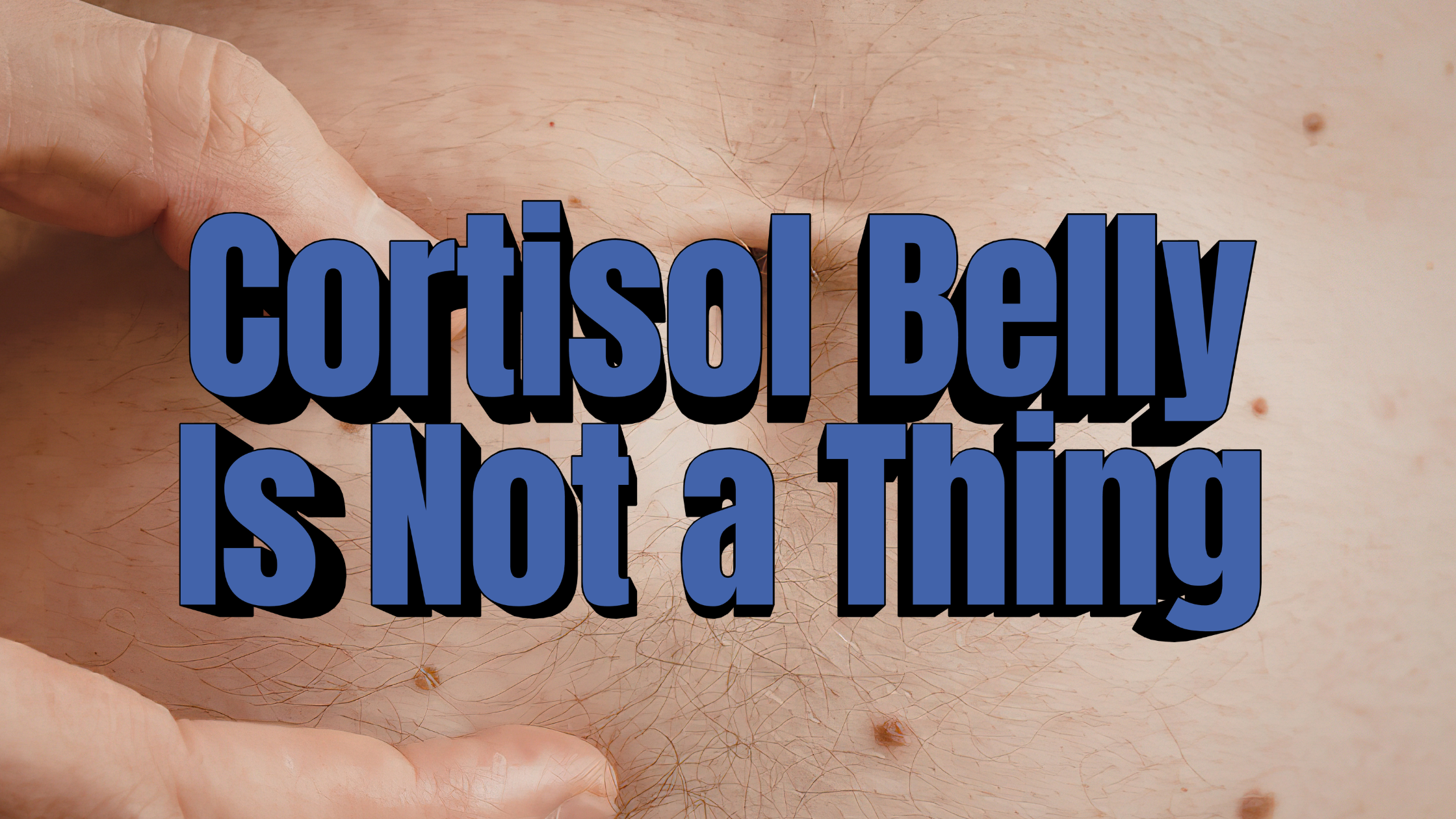
"Cortisol Belly" Is Not a Thing
Cortisol belly is the wellness industry's newest villain. The science is messier than Instagram claims. Here's what cortisol actually does to fat.