Browse by topic
Recovery & Body Image
Told you don't "look like a runner"? There's no such thing as a runner's body. Why we judge athletes by their shape, and how to answer when people comment.
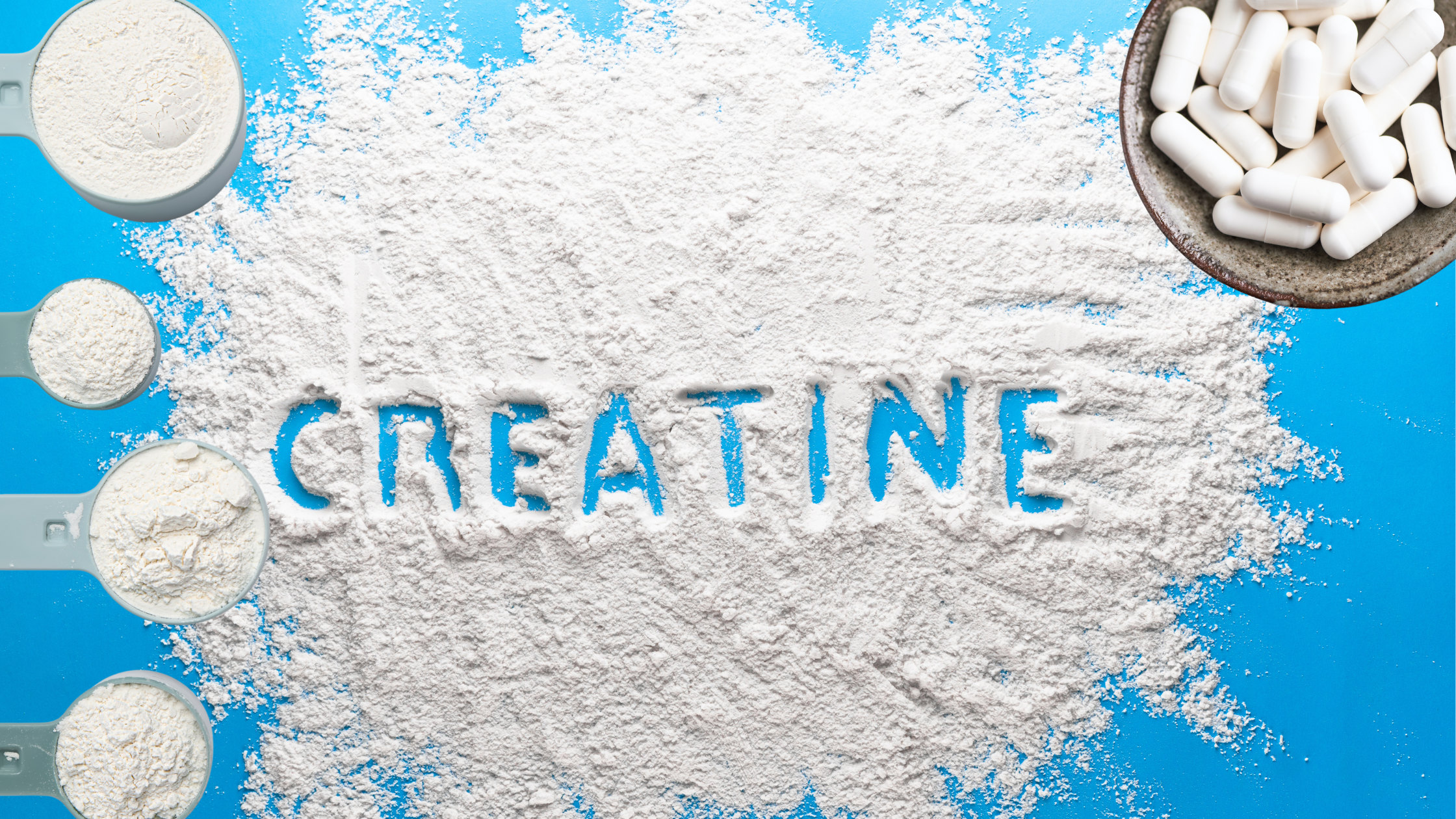
Does creatine cause water weight? A little, inside your muscles. Here's why you shouldn't stop creatine before a race, and how much to really take instead.
Low energy availability affects nearly half of all athletes. Here's what the research says about LEA prevalence, risk factors, and why it goes undiagnosed.
Supplements, Products, & Protocols
Does Ayurveda Work? What the Evidence Actually Says
Does creatine cause water weight? A little, inside your muscles. Here's why you shouldn't stop creatine before a race, and how much to really take instead.
Nomio review: does the $7 broccoli sprout shot actually work? What the research on isothiocyanates and lactate shows, who ran it, and who should skip it.
Running Training & Science
Is running bad for your knees? Recreational runners have less knee and hip arthritis than non-runners. Here's what the research shows, and the real catch.
Weighted vest walking promises stronger bones and a faster metabolism. Here's what the research actually says, and why walking is already enough.
Does foam rolling work? Yes, but not by releasing fascia or breaking up knots. Here's what the research says about rolling, scraping, and placebo.
Is HIIT bad for women's hormones? Wellness culture says yes. The research disagrees. Here's what intense exercise actually does to female physiology.
Running Training & Science
Is Carb Loading a Myth? No, But Most of What You've Heard About It Is
Is carb loading a myth? No. How carb loading actually works, how many grams you need, why you can skip depletion, and why it still matters for ultras.
Ultramarathon GI Distress Is Not a Reason to Stop Eating
Ultramarathon GI distress hits 96% of 100-mile finishers. Here's what causes it, how to train your gut, and why stopping fueling is the wrong fix.
Carb Ratios for Endurance Athletes: Why the 2:1 Rule Is More Marketing Than Science
The 2:1 glucose:fructose ratio is everywhere in endurance fueling, but the science is more complicated. Here's what carb ratios actually mean.