Caffeine and Athletic Performance: What the Science Says
Listen & support
Caffeine is the most widely consumed psychoactive substance on earth, and somehow it's still got two extremely loud camps screaming past each other. On one side: the wellness-bro "caffeine destroys your adrenals, drink my mushroom latte" crowd. On the other: the guy on TikTok who takes 800 milligrams a day and wants you to up your dose. Both of them are wrong. Both of them are extremely entertaining.
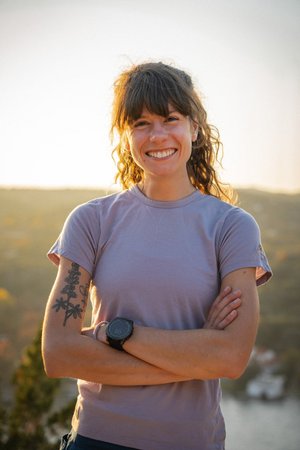
In this episode, Zoë and Kylee dig into how caffeine actually works, the adenosine receptor science, the performance research, the optimal dosing for endurance athletes, and what it's actually doing to your sleep, hormones, and anxiety levels (spoiler: more than you think, less than the fear-mongers claim). They trace the history of human caffeine consumption from ancient China to Sufi monks using coffee as pre-workout for night prayer, through the Enlightenment coffee houses that accidentally invented capitalism, all the way to a 300-milligram neon energy drink with a skull on it. There's also a full breakdown of the pre-workout industry's stimulant escalation problem, why adrenal fatigue isn't a real diagnosis, how your menstrual cycle affects caffeine metabolism, and whether the caffeine taper before a race is actually worth the two weeks of misery. Plus: the 1904 Olympic Marathon featured rat poison, brandy, and a man who hitched a ride in a car for 11 miles. Dry scooping sent multiple people to the hospital. And "energy is a choice" is not a peer-reviewed finding.
We cover it all.
- Intro — espresso beans, cortados, and the two camps
- History of caffeine — China, Ethiopia, and the goats
- Sufi monks, coffee houses, and the Enlightenment
- The 1904 Olympic Marathon: rat poison, brandy, and a car
- WADA and the regulatory history of caffeine in sport
- The energy drink era: Red Bull to 300mg neon cans
- How caffeine actually works: adenosine receptors explained
- Timing, half-life, and the CYP1A2 enzyme
- Caffeine and sleep: what it's actually doing
- Caffeine content by source: coffee, tea, matcha, soda, gels
- Performance research: what the meta-analyses actually say
- GI distress, overdosing, and the Silver Rush incident
- Caffeine dependence, tolerance, and the taper question
- Hormones and caffeine: menstruating athletes, OCs, perimenopause
- Adrenal fatigue: the wellness industry's favorite fake diagnosis
- Caffeine and anxiety: the fine line between dialed in and vibrating with dread
- "Clean caffeine" — marketing language, examined
- Caffeine and weight loss: what the evidence actually shows
- The pre-workout industrial complex and stimulant stacking
- How to assess your own caffeine use: the questions to ask
- Performance dosing protocol for athletes
- Hot takes: instant coffee, decaf, mid-run espresso, and the non-caffeine person
- How caffeine works as an adenosine receptor antagonist
- Caffeine half-life and the CYP1A2 metabolic pathway
- Performance benefits: the 2–4% endurance improvement and what drives it
- Optimal dosing: 3–6 mg/kg body weight and why more isn't better
- Caffeine and slow-wave sleep disruption
- Caffeine content by source: drip coffee, espresso, cold brew, matcha, energy drinks, gels
- Caffeine dependence vs. addiction — an important clinical distinction
- The caffeine taper: what the evidence actually shows
- Estrogen, the luteal phase, and caffeine metabolism in menstruating athletes
- Oral contraceptives and caffeine half-life extension
- Perimenopause and increased caffeine sensitivity
- "Adrenal fatigue" — not a recognized medical diagnosis, and the HPA axis reality
- Caffeine and anxiety: sympathetic nervous system activation and the athlete risk
- "Clean caffeine" products — marketing vs. pharmacology
- Caffeine as the active ingredient in most weight loss supplements
- Pre-workout stimulant stacking, dry scooping, and cardiovascular risk
- WADA's monitoring list history with caffeine (1984–2004 banned, monitoring since)
- The history of caffeine: China, Ethiopia, the Ottoman Empire, Enlightenment Europe
- The 1904 Olympic Marathon and early ergogenic use
- Red Bull, the energy drink era, and the escalation of caffeine marketing
- Caffeine masking under-fueling and appetite suppression risks for athletes
- Practical protocol for race-day caffeine use
Caffeine Pharmacology & Mechanism
Fredholm, B. B., Bättig, K., Holmén, J., Nehlig, A., & Zvartau, E. E. (1999). Actions of caffeine in the brain with special reference to factors that contribute to its widespread use. Pharmacological Reviews, 51(1), 83–133.
Graham, T. E. (2001). Caffeine and exercise: Metabolism, endurance and performance. Sports Medicine, 31(11), 785–807. https://doi.org/10.2165/00007256-200131110-00002
Nehlig, A. (2018). Interindividual differences in caffeine metabolism and factors driving caffeine consumption. Pharmacological Reviews, 70(2), 384–411. https://doi.org/10.1124/pr.117.014407
Performance & Athletic Use
Grgic, J., Grgic, I., Pickering, C., Schoenfeld, B. J., Bishop, D. J., & Pedisic, Z. (2020). Wake up and smell the coffee: Caffeine supplementation and exercise performance — an umbrella review of 21 published meta-analyses. British Journal of Sports Medicine, 54(11), 681–688. https://doi.org/10.1136/bjsports-2018-100278
Guest, N. S., VanDusseldorp, T. A., Nelson, M. T., Grgic, J., Schoenfeld, B. J., Jenkins, N. D. M., Arent, S. M., Antonio, J., Stout, J. R., Trexler, E. T., Smith-Ryan, A. E., Goldstein, E. R., Kalman, D. S., & Campbell, B. I. (2021). International Society of Sports Nutrition position stand: Caffeine and exercise performance. Journal of the International Society of Sports Nutrition, 18(1), Article 1. https://doi.org/10.1186/s12970-020-00383-4
Pickering, C., & Grgic, J. (2019). Caffeine and exercise: What next? Sports Medicine, 49(7), 1007–1030. https://doi.org/10.1007/s40279-019-01101-0
Sleep & Timing
Drake, C., Roehrs, T., Shambroom, J., & Roth, T. (2013). Caffeine effects on sleep taken 0, 3, or 6 hours before going to bed. Journal of Clinical Sleep Medicine, 9(11), 1195–1200. https://doi.org/10.5664/jcsm.3170
Landolt, H. P. (2008). Sleep homeostasis: A role for adenosine in humans? Biochemical Pharmacology, 75(11), 2070–2079. https://doi.org/10.1016/j.bcp.2008.02.024
Dependence & Tolerance
Juliano, L. M., & Griffiths, R. R. (2004). A critical review of caffeine withdrawal: Empirical validation of symptoms and signs, incidence, severity, and associated features. Psychopharmacology, 176(1), 1–29. https://doi.org/10.1007/s00221-004-2000-x
Meredith, S. E., Juliano, L. M., Hughes, J. R., & Griffiths, R. R. (2013). Caffeine use disorder: A comprehensive review and research agenda. Journal of Caffeine Research, 3(3), 114–130. https://doi.org/10.1089/jcr.2013.0016
Hormones & Sex Differences
Abernethy, D. R., & Todd, E. L. (1985). Impairment of caffeine clearance by chronic use of low-dose oestrogen-containing oral contraceptives. European Journal of Clinical Pharmacology, 28(4), 425–428. https://doi.org/10.1007/BF00544356
Arnaud, M. J. (1993). Metabolism of caffeine and other components of coffee. In S. Garattini (Ed.), Caffeine, Coffee, and Health (pp. 43–95). Raven Press.
Adrenal Fatigue
Cadegiani, F. A., & Kater, C. E. (2016). Adrenal fatigue does not exist: A systematic review. BMC Endocrine Disorders, 16(1), Article 48. https://doi.org/10.1186/s12902-016-0128-4
Anxiety & Nervous System
Nardi, A. E., Lopes, F. L., Freire, R. C., Veras, A. B., Nascimento, I., Valença, A. M., de-Melo-Neto, V. L., Soares-Filho, G. L., King, A. L., Amaral, J. M., Mezzasalma, M. A., Rassi, A., & Zin, W. A. (2009). Panic disorder and social anxiety disorder subtypes in a caffeine challenge test. Psychiatry Research, 169(2), 149–153. https://doi.org/10.1016/j.psychres.2008.06.023
Weight Loss & Metabolism
Astrup, A., Toubro, S., Cannon, S., Hein, P., Breum, L., & Madsen, J. (1990). Caffeine: A double-blind, placebo-controlled study of its thermogenic, metabolic, and cardiovascular effects in healthy volunteers. American Journal of Clinical Nutrition, 51(5), 759–767. https://doi.org/10.1093/ajcn/51.5.759
Pre-Workout & High-Dose Risk
Caton, S. J., Ball, M., Ahern, A., & Heatherley, S. V. (2019). Dose-dependent effects of caffeine on appetite and motivation to eat in the morning. Physiology & Behavior, 203, 28–33. https://doi.org/10.1016/j.physbeh.2019.01.021
Kennedy, M. D., Galloway, A. V., Dickau, L. J., & Hudson, M. K. (2018). The cumulative effect of caffeine doses on blood pressure, heart rate, and skin blood flow responses in a randomized crossover design. Applied Physiology, Nutrition, and Metabolism, 43(9), 928–933. https://doi.org/10.1139/apnm-2017-0727
KYLEE [00:00:00]: Welcome to Your Diet Sucks, the podcast that won't keep you up at night. I'm Kylee Van Horn. And I'm Zoë Rom. So today, Zoë, the buzz is all about caffeine.
ZOË [00:00:14]: So funny, I went to the new little Italian cafe in town to do a little work this morning, Sprazzo, and they make an incredible oat milk cortado. And because I'm me, I had two of them, because they're just so good. So I've definitely got a little more juice in my system than I normally would.
KYLEE [00:00:42]: It depends on whether you're a fast metabolizer, which...
ZOË [00:00:45]: I cannot wait to chat about, but I'm excited for this one because caffeine is something that is near and dear to my heart, is something that is extremely relevant to me in my lifestyle, and also something that I think people have a lot of misconceptions about.
KYLEE [00:01:04]: Yeah, and you've had your own stories though, right, about like caffeine disasters.
ZOË [00:01:09]: Oh, yeah. At Silver Rush two years ago, I was just being lazy and I didn't order enough uncaffeinated gels. And I was like, that's fine. I'll just take in a caffeinated gel every single hour for eight hours. It'll be fine. And at the end I was achieving liftoff. I had touched the face of God. I was the last few minutes of 2001, A Space Odyssey. I didn't puke, but I literally, I thought my brain was gonna come out of my nose holes.
ZOË [00:02:09]: So here is an experiment I did. So TJ once told me that my personality seems overcaffeinated. I was noticing I literally only drink eight ounces of coffee a day. It's like my normal.
ZOË [00:03:42]: What I am bringing to this episode is that caffeine sits at the intersection of two sort of weird parts of culture that both annoy me simultaneously. The first camp: the normalization problem. The "but first coffee" mugs. Caffeine tolerance as an epic flex or as a proxy for your productivity. There is this way that we've sort of turned dependence on what is a psychoactive substance into a personality trait. On the other and sort of opposite side, I feel like there's this wellness podcast bro moralization — it's a drug and therefore bad innately. Caffeine is poison. It's destroying your adrenals. You need a 30-day reset to reclaim your natural energy. It's the same playbook we always see: take a real thing, strip the nuance, moralize it, sell a purity narrative, and also sell your code for mushroom coffee.
KYLEE [00:06:22]: I have athletes that have a more structured routine with caffeine intake than they do with their fueling plans. And it's one of the most, if not the most research-supported performance-enhancing compounds out there.
ZOË [00:07:14]: The earliest credible evidence we have about caffeine consumption comes from tea in China around 2700 BCE. According to legend, Emperor Xin Nong discovered it when leaves blew into his boiling water, which if true means that the most consequential drug in history was an accident involving a guy who was too lazy to cover his pot. By the Tang dynasty, around 600-900 CE, tea culture was fully embedded in Chinese society. The Tang poet Liu Yu actually wrote an entire treatise on tea — basically the world's first beverage influencer content.
ZOË [00:09:20]: Going to the Ethiopian highlands, we're looking at around the ninth century. A goat herder named Caldy reportedly noticed that his goats were unusually wired after eating certain berries. The entire global coffee industry exists because one guy was paying really close attention to his goats. Coffee cultivation took off in Yemen by the 1400s, where Sufi monks actually used it to stay awake for night-time prayer and their devotional chanting — which is arguably the first documented use of caffeine as a performance enhancer. Basically, the original pre-workout was for religious devotion.
ZOË [00:10:20]: By the 1500s, governors in Mecca actually tried to ban it, arguing that it was an intoxicant like wine. There were coffee riots. People have been fighting about whether caffeine is dangerous or sacred for over 500 years. Coffee houses spread across the Ottoman Empire in the 1500s, hit Eastern Europe by the 1600s, and immediately became centers of intellectual and commercial life. Lloyd's of London actually started as a coffee house. The London Stock Exchange also started as a coffee house. The French Enlightenment was substantially fueled by a cafe in Paris where Voltaire reportedly drank 40 to 50 cups a day.
ZOË [00:13:30]: The 1904 Olympic Marathon in St. Louis — this is like the third time this cursed event has been mentioned. The winner, Thomas Hicks, reportedly used strychnine and brandy administered by his handlers during the race. Strychnine, which is rat poison, and brandy during a marathon in Missouri in August. He collapsed at the finish line. The guy who finished first was actually disqualified because he had hitched a ride in a car for 11 miles.
ZOË [00:15:30]: Caffeine was on the IOC/WADA prohibited list from 1984 to 2004. They removed it because the threshold was basically impossible to hit through normal dietary intake. You would have to have an alarming amount of caffeine before you were caught, at which point you would not be able to do sports because your heart would be exploding. It got moved to the monitoring list where it still sits today.
ZOË [00:18:30]: Red Bull launched in Austria in 1987, was modeled after a Thai energy drink called Kratting Dang, and hit the US in 1997. This fundamentally changed the game. Energy drinks took caffeine from a quiet morning ritual and rebranded it as an aggressive performance identity. The marketplace has since exploded — Monster, Rockstar, Bang, Alani — they all sound like terrible Soundcloud DJs to me.
KYLEE [00:21:00]: Caffeine is something called an adenosine receptor antagonist. Adenosine is a byproduct of energy use, and it accumulates as you work and binds to receptors that signal fatigue and promote sleep. Caffeine's molecular structure is similar enough to adenosine that it fits into those receptors without activating them — and essentially blocks the fatigue signal. This is why caffeine doesn't actually give you energy, but removes the thing that's telling you that you're tired.
KYLEE [00:22:11]: Caffeine also increases adrenaline release, improves calcium release in muscle cells, which can help with force production, and has direct effects on the central nervous system, increasing alertness and focus.
KYLEE [00:22:37]: Caffeine starts being absorbed 15 to 30 minutes after ingestion, and blood levels don't peak until 45 to 60 minutes after consumption. If you're using it as a performance enhancer, you need to think about timing. The half-life is approximately five to six hours after ingestion. If you have 200 milligrams at 2pm, 100 milligrams is still in your system at 8pm.
KYLEE [00:24:13]: There's something called the CYP1A2 enzyme — the metabolic pathway for caffeine metabolism. If you have a certain genetic mutation, you can actually metabolize caffeine more quickly. Estrogen inhibits CYP1A2 activity, so caffeine is metabolized more slowly when estrogen levels are higher — typically in the luteal phase post-ovulation.
KYLEE [00:25:14]: Caffeine doesn't just make it harder to fall asleep — it reduces slow-wave sleep, which is that deep restorative phase where growth hormone is released and tissue repair happens. You can fall asleep on time, sleep eight hours, and still wake up feeling under-recovered. Studies show that caffeine consumed six hours before bed can reduce total sleep by over an hour, even when people report sleeping normally.
KYLEE [00:34:47]: Lots of meta-analyses consistently show a two to four percent improvement in endurance performance. The International Society of Sports Nutrition's consensus statement confirms that three to six milligrams per kilogram body weight produces those benefits. If you do more than six milligrams per kilogram, you're probably not going to see many additional benefits and could have a lot of adverse effects — GI distress, jitteriness, increased heart rate, and impaired fine motor control.
KYLEE [00:38:54]: What's actually happening physiologically when you consume caffeine regularly: your brain responds by upregulating adenosine receptors. So your brain is trying to maintain homeostasis — you need caffeine just to feel normal. Caffeine withdrawal: the onset is typically 12 to 24 hours after the last dose. Symptoms peak at 20 to 51 hours, and resolve within a week for most people.
KYLEE [00:42:42]: The idea of a caffeine taper makes sense from the outside — eliminate caffeine for one to two weeks before a major race to restore receptor sensitivity. But the reality is different. Studies show mixed results and a lot of individual variability. Caffeine withdrawal is not fun. The evidence actually supports keeping your habitual dose moderate — 200 milligrams or less daily — so you have room to increase on race day if needed.
KYLEE [00:44:20]: Estrogen inhibits CYP1A2 activity, so some menstruating athletes may find caffeine hits harder or lasts longer in the second half of their cycle. Oral contraceptives that contain estrogen slow caffeine clearance even further. Caffeine sensitivity increases around perimenopause and can cause increased sleep disruption, hot flash exacerbation, and worsened anxiety.
KYLEE [00:46:52]: Adrenal fatigue is not a recognized medical diagnosis. The mechanism proposed — that your adrenal glands become exhausted from chronic stress and caffeine — is not supported by evidence. Caffeine does transiently increase cortisol, this is well-established, but the implication that this causes adrenal damage or long-term cortisol dysregulation is not supported by research.
ZOË [00:47:40]: The typical wellness industry playbook: take a real physiological mechanism, like that cortisol response, strip it of context, amplify the fear, and sell people an expensive adrenal support supplement. When the actual answer for many people who are exhausted? Look at sleep. Look at your training load. Look at energy availability. Look at your life stress.
KYLEE [00:49:14]: Caffeine increases norepinephrine and activates the sympathetic nervous system — triggering that fight or flight response. For people who are already prone to anxiety or in a high-stress period of life or training, caffeine can push people over the threshold from an alert state to an activated state in a way that might mimic or worsen anxiety symptoms.
KYLEE [00:50:46]: "Clean caffeine" products typically contain caffeine with some combination of adaptogens, amino acids, or caffeine from a source they describe as natural — green tea extract, coffee fruit, or guarana. The caffeine in clean products is pharmacologically identical to anhydrous caffeine. Your adenosine receptors can't tell the difference.
KYLEE [00:53:08]: Caffeine is the primary active ingredient in most weight loss supplements. The modest metabolic effects — slight increased fat oxidation and a modest amount of appetite suppression — are real, but modest. They've been amplified by marketing into a fat-burning narrative that overstates the evidence.
ZOË [00:54:50]: Pre-workout culture has gone pretty mainstream through fitness influencers and TikTok. Products are packing 300, 400, even 500 milligrams of caffeine in a serving. People are double scooping and dry scooping — putting powder in their mouth without water — which went viral on social media and has sent multiple people to the hospital.
KYLEE [00:55:23]: Double scooping could be up to a thousand milligrams at once, which can cause cardiac arrhythmia, severe GI distress, and even seizures. There have been documented deaths with pre-workout supplements. A lot of these products also contain other stimulants — synephrine, DMAA, DMHA — which compounds cardiovascular risk.
KYLEE [00:59:23]: Start with this question: are you using caffeine as a tool, or are you using it to manage withdrawal? A healthy relationship with caffeine looks like this — you have a baseline intake that's moderate and relatively consistent, you feel functional without it even if not optimal, and you use additional caffeine intentionally around training or racing to get a performance benefit. That's generally fine. Nothing to fix.
KYLEE [01:04:25]: Start with three milligrams per kilogram body weight. For a 70kg athlete, that's about 210 milligrams — roughly two cups of coffee or a pre-race caffeine supplement plus a cup of coffee. Test your doses in training before race day. Do not experiment on race day with a dose you haven't used before. Peak effect takes place 45 to 60 minutes after consumption.
ZOË [01:07:52]: Instant coffee: crime against humanity, straight to The Hague. Coffee should be good. If you're gonna do it, do it right.
ZOË [01:08:53]: Decaf. Underrated or totally missing the point?
KYLEE [01:08:59]: I kind of like decaf. I've changed my mind about decaf.
ZOË [01:10:22]: Mid-long bike ride pastry and espresso stop. Iconic. Can't replace it. Doing the same thing mid-run? Extremely high risk. That is absolutely the gastrointestinal version of Russian roulette.
ZOË [01:11:26]: The person who "doesn't do caffeine" — hero or obnoxious as hell? My gut reaction is just like, who the f*** are you? I guess I recognize it's a physiological imperative. Everyone's different. You're a beautiful snowflake. But also, how dare you.
This episode is supported by:
rabbit — technical running apparel built for how you actually train. Use code YOURDIETSUCKS10 at runinrabbit.com/collections/womens-new for a discount on their trail line.
Osmia Skincare — small-batch, clean skincare from a doctor-founded company. Use code YDS20 at osmiaskincare.com for 20% off your first order.
Tailwind Nutrition — complete endurance fuel with carbs and electrolytes in one. Shop at tailwindnutrition.com.
Microcosm Coaching — individualized endurance coaching from Zoë and Kylee. Book a free consultation at microcosm-coaching.com.
Support Your Diet Sucks on Patreon
Bonus episodes, weekly threads, early access, and our eternal gratitude. Join the community at patreon.com/YourDietSucks.
Merch at teepublic.com/user/your-diet-sucks | Full show notes at yourdietsuckspodcast.com
References
Pollan, M. (2020). Caffeine: How coffee and tea created the modern world [Audible Original audiobook]. Audible Originals.
Caffeine Pharmacology & Mechanism
Fredholm, B. B., Bättig, K., Holmén, J., Nehlig, A., & Zvartau, E. E. (1999). Actions of caffeine in the brain with special reference to factors that contribute to its widespread use. Pharmacological Reviews, 51(1), 83–133.
Graham, T. E. (2001). Caffeine and exercise: Metabolism, endurance and performance. Sports Medicine, 31(11), 785–807. https://doi.org/10.2165/00007256-200131110-00002
Nehlig, A. (2018). Interindividual differences in caffeine metabolism and factors driving caffeine consumption. Pharmacological Reviews, 70(2), 384–411. https://doi.org/10.1124/pr.117.014407
Performance & Athletic Use
Grgic, J., Grgic, I., Pickering, C., Schoenfeld, B. J., Bishop, D. J., & Pedisic, Z. (2020). Wake up and smell the coffee: Caffeine supplementation and exercise performance — an umbrella review of 21 published meta-analyses. British Journal of Sports Medicine, 54(11), 681–688. https://doi.org/10.1136/bjsports-2018-100278
Guest, N. S., VanDusseldorp, T. A., Nelson, M. T., Grgic, J., Schoenfeld, B. J., Jenkins, N. D. M., Arent, S. M., Antonio, J., Stout, J. R., Trexler, E. T., Smith-Ryan, A. E., Goldstein, E. R., Kalman, D. S., & Campbell, B. I. (2021). International Society of Sports Nutrition position stand: Caffeine and exercise performance. Journal of the International Society of Sports Nutrition, 18(1), Article 1. https://doi.org/10.1186/s12970-020-00383-4
Pickering, C., & Grgic, J. (2019). Caffeine and exercise: What next? Sports Medicine, 49(7), 1007–1030. https://doi.org/10.1007/s40279-019-01101-0
Sleep & Timing
Drake, C., Roehrs, T., Shambroom, J., & Roth, T. (2013). Caffeine effects on sleep taken 0, 3, or 6 hours before going to bed. Journal of Clinical Sleep Medicine, 9(11), 1195–1200. https://doi.org/10.5664/jcsm.3170
Walker, M. (2017). Why we sleep: Unlocking the power of sleep and dreams. Scribner.
Dependence & Tolerance
Juliano, L. M., & Griffiths, R. R. (2004). A critical review of caffeine withdrawal: Empirical validation of symptoms and signs, incidence, severity, and associated features. Psychopharmacology, 176(1), 1–29. https://doi.org/10.1007/s00221-004-2000-x
Meredith, S. E., Juliano, L. M., Hughes, J. R., & Griffiths, R. R. (2013). Caffeine use disorder: A comprehensive review and research agenda. Journal of Caffeine Research, 3(3), 114–130. https://doi.org/10.1089/jcr.2013.0016
Hormones & Sex Differences
Abernethy, D. R., & Todd, E. L. (1985). Impairment of caffeine clearance by chronic use of low-dose oestrogen-containing oral contraceptives. European Journal of Clinical Pharmacology, 28(4), 425–428. https://doi.org/10.1007/BF00544356
Adrenal Fatigue
Cadegiani, F. A., & Kater, C. E. (2016). Adrenal fatigue does not exist: A systematic review. BMC Endocrine Disorders, 16(1), Article 48. https://doi.org/10.1186/s12902-016-0128-4
Anxiety & Nervous System
Nardi, A. E., Lopes, F. L., Freire, R. C., Veras, A. B., Nascimento, I., Valença, A. M., de-Melo-Neto, V. L., Soares-Filho, G. L., King, A. L., Amaral, J. M., Mezzasalma, M. A., Rassi, A., & Zin, W. A. (2009). Panic disorder and social anxiety disorder subtypes in a caffeine challenge test. Psychiatry Research, 169(2), 149–153. https://doi.org/10.1016/j.psychres.2008.06.023
Pre-Workout & High-Dose Risk
Kennedy, M. D., Galloway, A. V., Dickau, L. J., & Hudson, M. K. (2018). The cumulative effect of caffeine doses on blood pressure, heart rate, and skin blood flow responses in a randomized crossover design. Applied Physiology, Nutrition, and Metabolism, 43(9), 928–933. https://doi.org/10.1139/apnm-2017-0727